

ICP 2024 Convention
Key Insights
1. Uncertainty and Preparedness for the Future
- Key Insights:
- Dr. Schleicher highlighted the unpredictability of the future and stressed the importance of preparing students for an uncertain world. This involves not only teaching traditional skills but also fostering adaptability and resilience.
- Consensus:
- There is a shared understanding that education systems must evolve to prepare students for the challenges of the future, particularly in the face of technological advances and global disruptions.
2. Role and Impact of Education
- Key Insights:
- Education is seen as foundational to society, culture, technology, and communication. The speakers emphasized that while education has achieved remarkable things, there are ongoing challenges, particularly in aligning educational outcomes with societal needs.
- Consensus:
- Education should not just be about academic success but also about helping students find identity, meaning, and purpose, and developing their ability to think critically and creatively.
3. Challenges in Education: Disconnects and Disruptions
- Key Insights:
- There are growing disconnects in society, such as the gap between economic growth and planetary resources, and between technological possibilities and social needs. The pandemic has shown how vulnerable education systems are to disruptions, which will likely continue with future challenges like climate change and AI.
- Consensus:
- Addressing these disconnects requires a shift in focus from routine cognitive skills to technology-intensive tasks and the development of holistic educational goals that include creativity, well-being, and social-emotional skills.
4. Role of Technology and AI in Education
- Key Insights:
- The rapid evolution of AI is both a challenge and an opportunity for education. While AI can enhance learning through personalized experiences and continuous feedback, it also risks disempowering learners if not managed properly.
- Consensus:
- The integration of technology in education should be done thoughtfully, ensuring it complements human skills rather than replacing them. Digital literacy is crucial, and education systems must focus on developing students’ ability to manage complexity and distinguish fact from opinion.
5. Educational Transformation and the Need for Innovation
- Key Insights:
- There is a strong call for education systems to undergo significant transformation, akin to the changes brought about by the Industrial Revolution. This includes creating pathways that prepare students to stay ahead of technology and meet the demands of the future economy.
- Consensus:
- Innovation in education is essential. This includes fostering creativity, critical thinking, and problem-solving skills. There is also a recognition that education systems need to move away from traditional models and embrace new approaches that are more aligned with the needs of the 21st century.
6. Holistic Education and the Development of Future Leaders
- Key Insights:
- Several speakers emphasized the importance of developing future leaders who are adaptable, resilient, and emotionally intelligent. This includes fostering a growth mindset, social-emotional skills, and a sense of agency among students.
- Consensus:
- There is a shared belief that education should go beyond academic success to include the development of leadership skills, ethical values, and a commitment to lifelong learning.
7. Global Awareness and Cultural Competence
- Key Insights:
- The need for global awareness and cultural competence was highlighted, particularly in the context of leadership development. Understanding and navigating cultural differences is seen as essential for future leaders.
- Consensus:
- Education systems must prepare students to be global citizens, capable of understanding and addressing complex global challenges, such as climate change and sustainability.
8. Collaboration and Shared Leadership
- Key Insights:
- The importance of collaboration among educators, policymakers, and other stakeholders was a recurring theme. This includes working together to address global challenges and sharing knowledge and best practices to promote inclusive and sustainable innovation.
- Consensus:
- Effective collaboration is key to driving systemic change in education. School leaders play a crucial role in fostering this collaboration and leading the way in implementing innovative solutions.
9. Environmental Challenges and Education’s Response
- Key Insights:
- Environmental challenges are complex and multifaceted, requiring a deeper understanding and innovative thinking. Educators have a responsibility to shape young people who can tackle these challenges through education that emphasizes systems thinking and sustainability.
- Consensus:
- There is an urgent need for education systems to integrate sustainability into the curriculum and to engage students in real-world problems related to the environment. Educators should aim to reduce student anxiety by empowering them with the knowledge and agency to make a difference.
10. Radical Collaboration for a Sustainable Future
- Key Insights:
- Collaboration with organizations like the UN to address global challenges such as climate change was emphasized. The need for systemic innovation that is human-centric and vision-driven was highlighted as essential for reinventing the world.
- Consensus:
- School leaders are seen as pivotal in driving this radical collaboration and leading efforts to create a sustainable future through education.
11. Final Thoughts: The Role of School Leaders
- Key Insights:
- School leaders are encouraged to embrace innovation, collaboration, and ethical leadership. They are seen as the front-line innovators who can make a significant impact on the future of education.
- Consensus:
- The role of school leaders is critical in shaping the future of education. Their leadership, vision, and commitment to values of equity and sustainability will determine the success of educational transformations in the years to come.

Participants
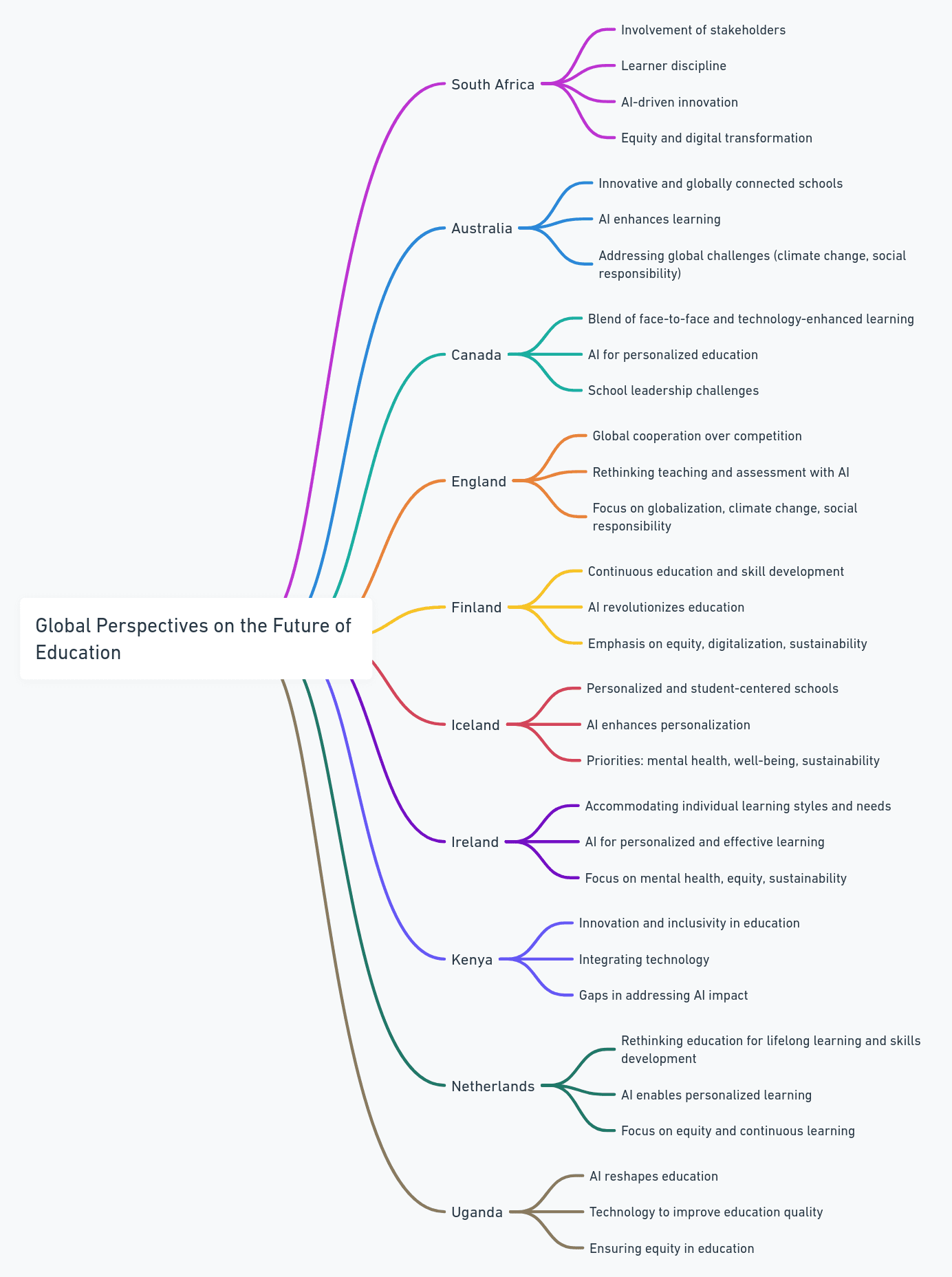
Student-Centered and Holistic Education: Educators envision schools evolving to prioritize the well-being, self-agency, and holistic development of students, focusing on both academic and emotional growth.
Integration of Technology and AI: There is a strong consensus on the need for integrating AI and other technologies into education. However, educators emphasize the importance of maintaining a human-centric approach to ensure creativity, critical thinking, and ethical use of technology.
Flexible and Innovative Learning Environments: Schools should adapt to the diverse needs and talents of students by fostering flexible, innovative, and inquiry-based learning environments that encourage lifelong curiosity and problem-solving.
Global and Cooperative Approach: Educators advocate for a shift from competitive to cooperative learning, emphasizing global citizenship, collaboration, and addressing global challenges such as climate change.
Focus on Mental Health and Well-being: There is a shared concern for the mental health and well-being of both students and educators, with a call to integrate social-emotional learning and resilience-building into the educational experience.

Plenary Keynote 1 – Pathways for Learning & Learners
Andreas Schleicher – Director for Education and Skills, OECD
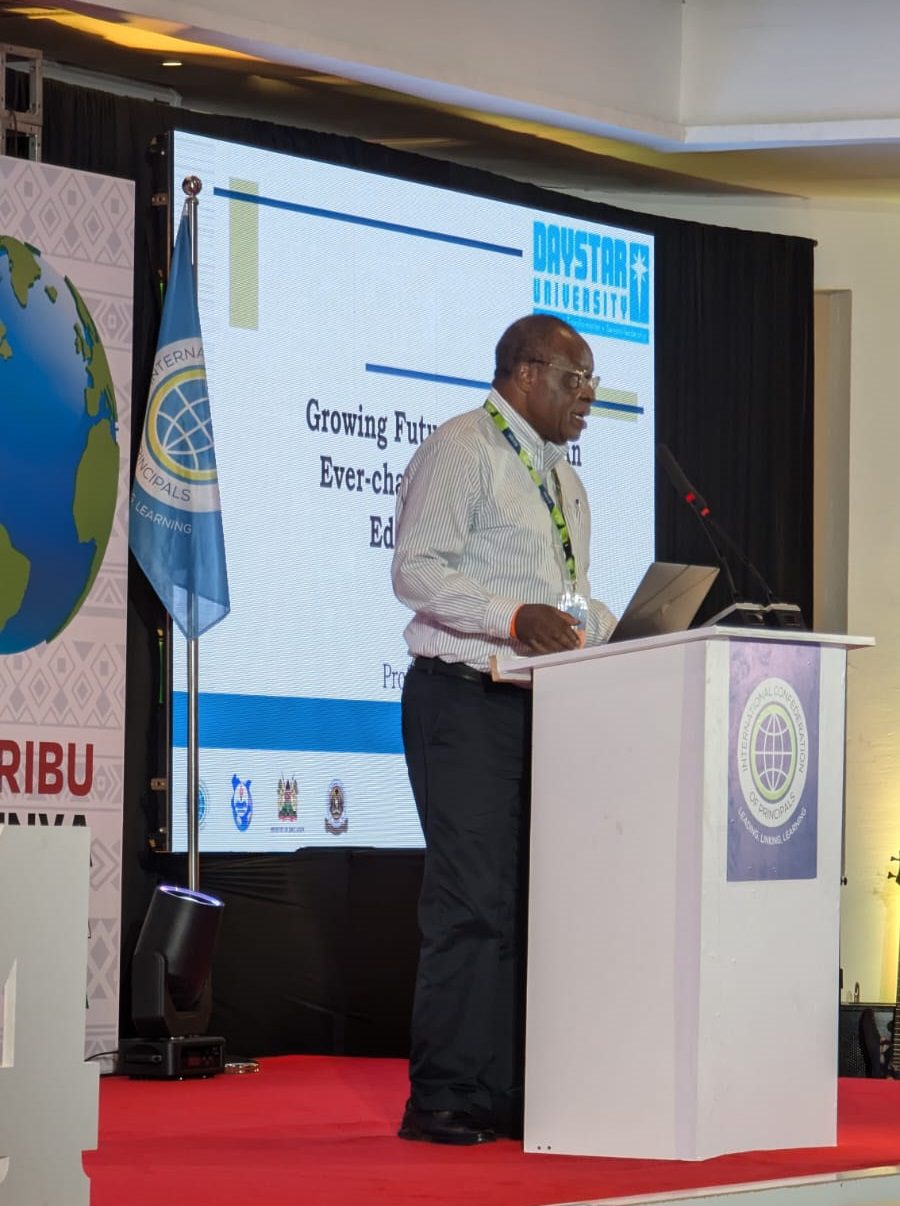
Plenary Keynote 2 – Growing Future Leaders in an ever changing world
Professor Laban Ayiro
Vice Chancellor – Daystar University
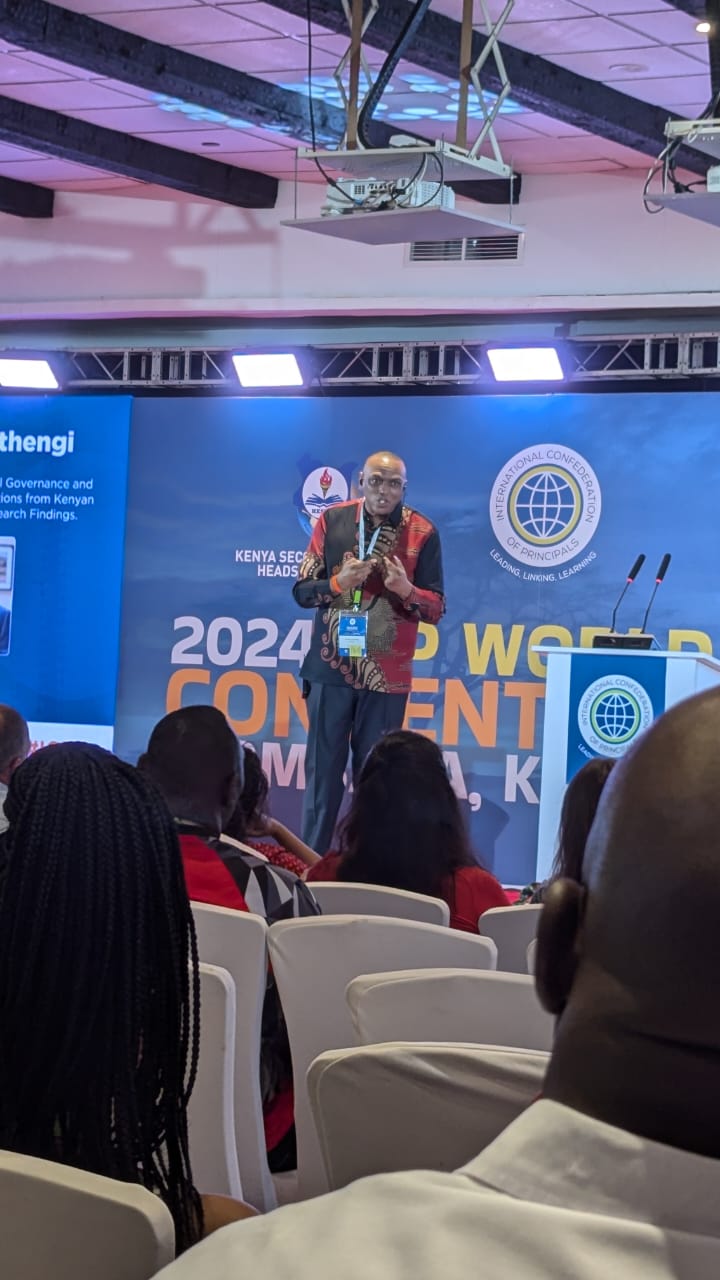
Plenary Keynote 3 – The Democratisation of School Governance and Management: Empirical Reflections from Kenyan Secondary Schools and Research Findings.
Kimanzi Muthengi
UNICEF – Lesotho
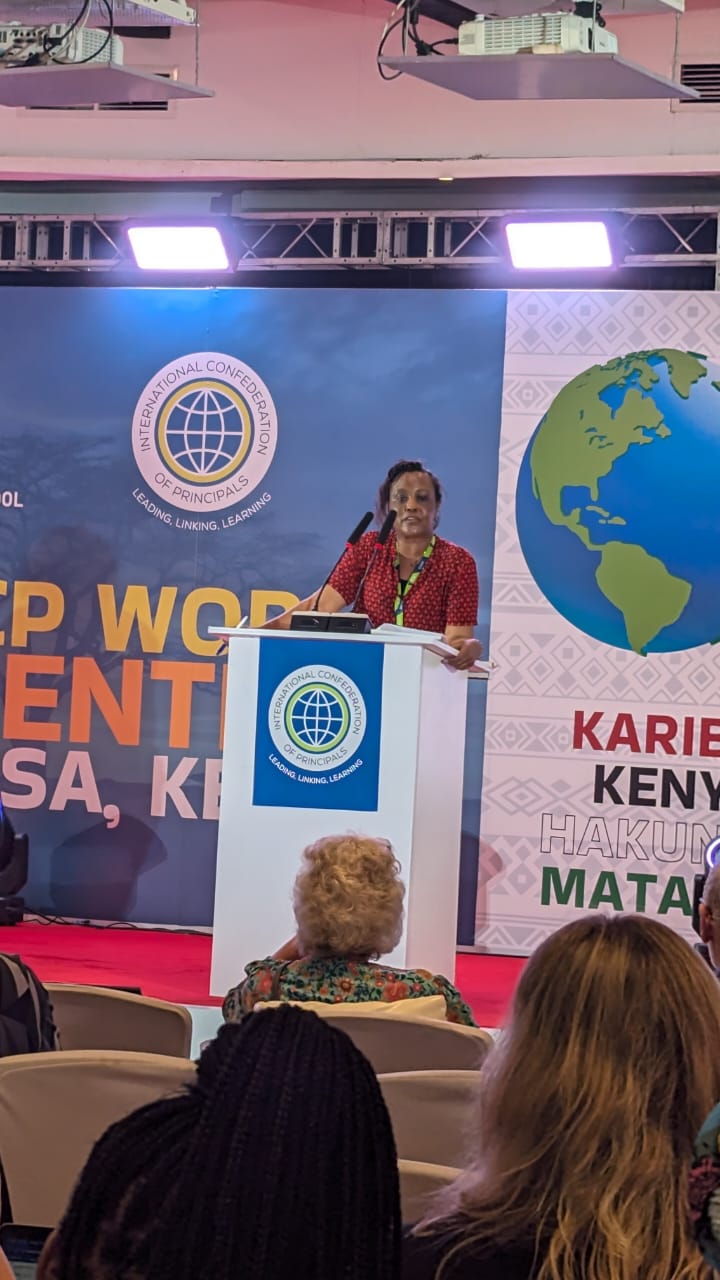
Plenary Keynote 5 – School Principals; Paving Future
Pathways for Learners
Dr. Nancy Macharia
Teachers Service Commission
(Delivered by Antonina Lentoijoni)

Plenary Keynote 6 – The Challenge of Climate Education in Schools
Richard Gilby
Regional Director for Latin America and the Caribbean for Cambridge University Press and Assessment
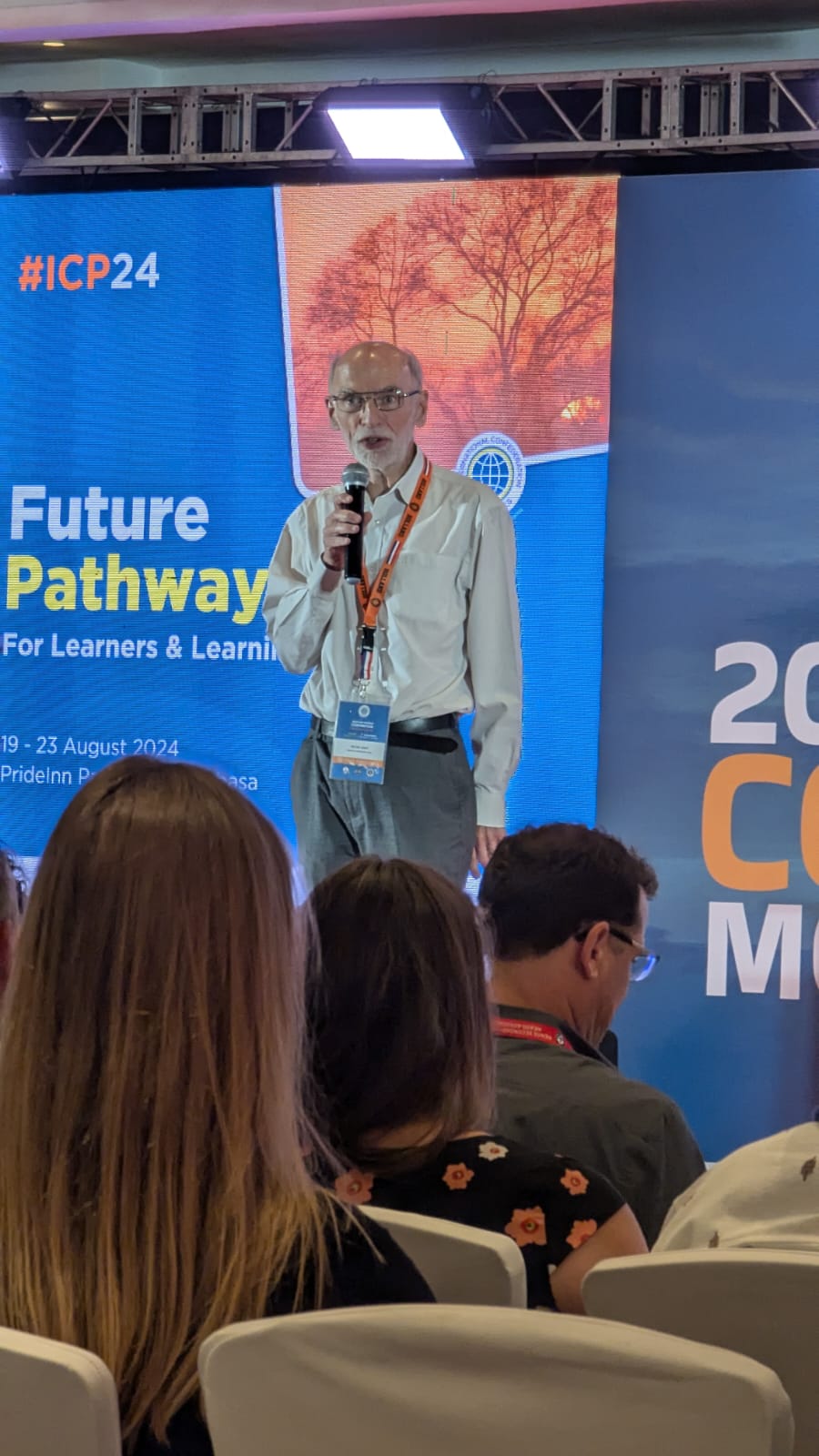
Plenary Keynote 7 – The Impact of the UN Global Innovation Hub
Peter Kent (Live)
Massamba Thioye (video)
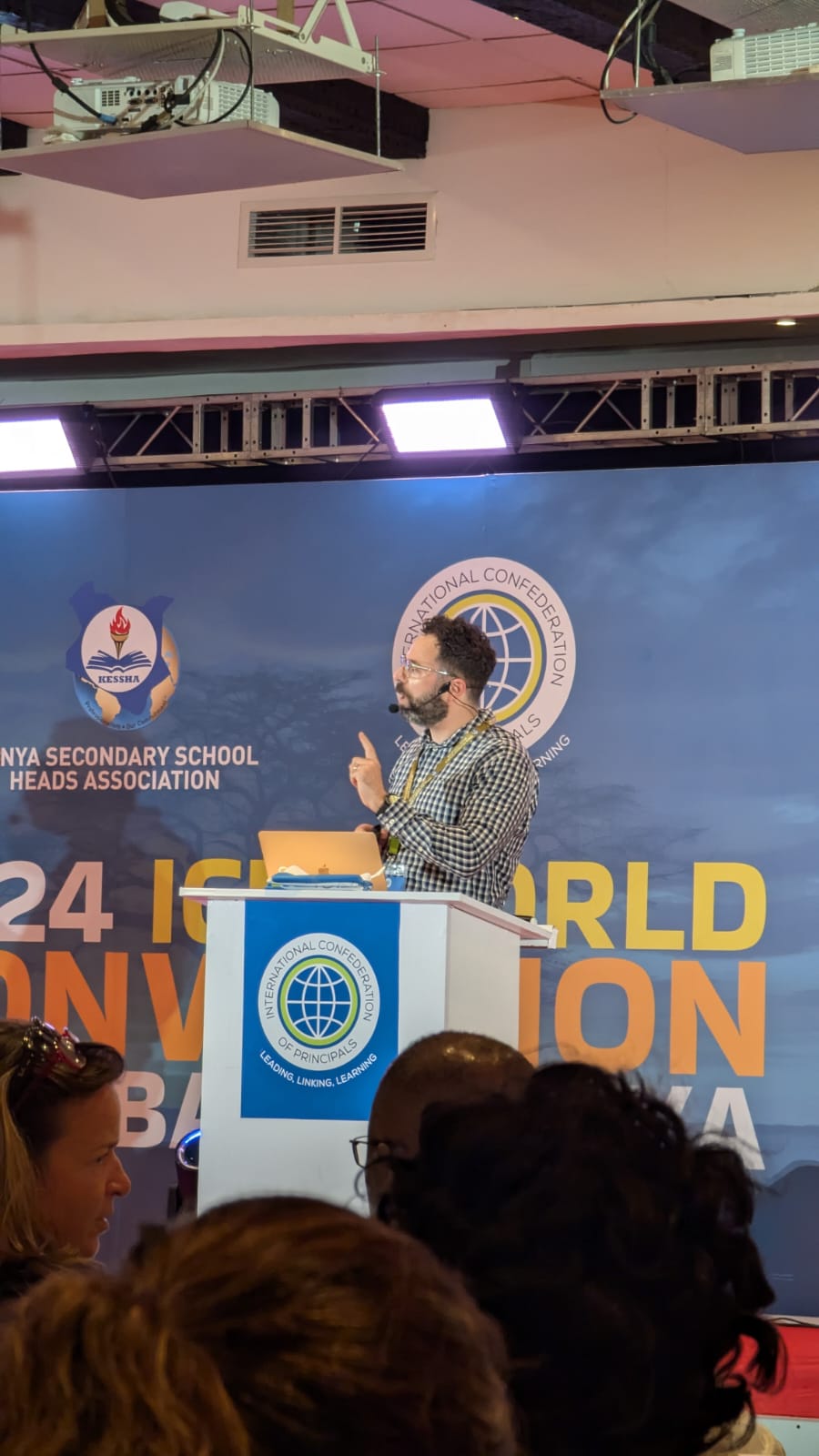
Plenary Keynote 8 – Reimagining Education: How Ruckus
Makers Do School Different
The Impact of the UN Global Innovation Hub